
The Ultimate Guide to Sports Massage in Dubai: Recover Like a Pro, Live Your Best Life
If you’re living the high-energy Dubai life—whether you’re crushing the Dubai Fitness Challenge, training for the Dubai Marathon, or just battling the intense shoulder knots from way too many hours at your DIFC desk—you know one thing for sure: your body needs help.
It’s not enough to just “rest” anymore. In a city that demands peak performance, you need a recovery plan that works just as hard as you do.
That’s where sports massage comes in.
Forget what you think you know about a fluffy spa day. This isn’t about scented candles and gentle Swedish strokes (though those are nice, too). Sports massage is a targeted, intense, and seriously effective therapeutic treatment designed to fix what you broke, prevent the next injury, and unlock a level of performance you didn’t know you had.
So, why Dubai? Because this city is a hub for world-class athletes, fitness fanatics, and major sporting events, which means we have access to some of the best-trained, most specialized therapists on the planet.
This article is your deep dive. We’re going to break down exactly what a sports massage is, why it’s different from a regular deep tissue rub, what those awesome physiological changes are, and how you can find the absolute best therapist in Dubai for your unique needs.
Ready to get flexible, fast, and completely pain-free? Let’s go.
What Exactly is Sports Massage? (It’s Not Just for Marathon Runners!)
People hear “sports massage” and immediately picture a football player on the sidelines getting a frantic rub down. While that’s part of it, the truth is much broader.
Defining the Difference: Why Sports Massage isn’t a Spa Treatment
Think of a regular massage as a general tune-up, while a sports massage is specialized, high-performance engineering.
A general massage (like a Swedish massage) focuses on overall relaxation, reducing stress, and surface-level tension relief using long, flowing strokes. It’s fantastic for unwinding after a long week.
A sports massage, however, is clinical and goal-oriented. The techniques are designed to manipulate the soft tissues (muscles, tendons, and fascia) to achieve specific outcomes related to physical activity.
- The Goal: It’s not just relaxation; it’s injury prevention, performance enhancement, and rapid recovery.
- The Focus: The therapist won’t just rub your whole back. They will focus intensely on the muscle groups specific to your activity—maybe your quads and hip flexors if you’re a runner, or your shoulders and lats if you lift heavy at Warehouse Gym.
- The Technique: It involves deeper, more targeted techniques like friction, compression, trigger point therapy, and active/passive stretching. It can sometimes be intense, but it’s always productive.
Human Insight: Look, we won’t lie—sometimes a sports massage hurts in a really good way. It’s that satisfying ache that tells you the therapist is actually getting rid of that horrible knot you’ve been carrying around since that last cycling trip down Al Qudra. It’s temporary discomfort for a major long-term win!
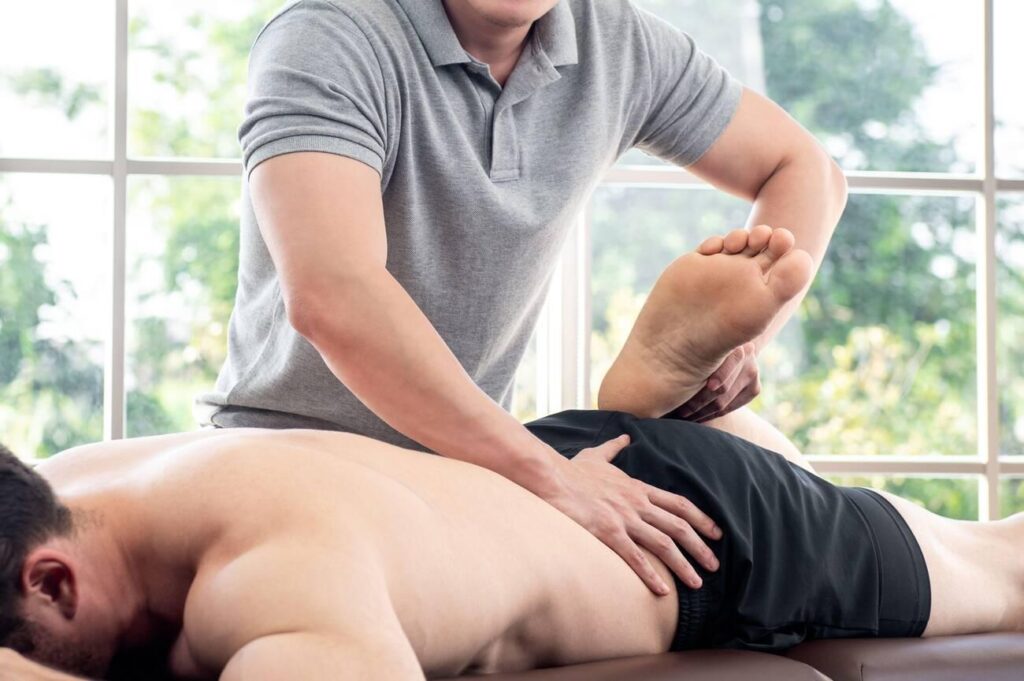
The Core Techniques Used by Dubai’s Top Sports Massage Therapists
Your session won’t be the same every time, because a good therapist tailors the approach. But these are the key moves they’ll use to fix you up:
- Petrissage (Kneading): This involves squeezing, rolling, and kneading the muscles. It’s what helps mobilise soft tissues and enhances circulation deep within the muscle. It’s the primary technique for releasing those stubborn knots.
- Friction: Deep, circular, or transverse movements applied to a specific area. This is essential for breaking down scar tissue and releasing chronic adhesions (those sticky spots that limit movement).
- Effleurage (Stroking): The lighter, gliding strokes used at the start and end of the session. Its purpose is to warm up the tissue, flush out the superficial tension, and promote lymphatic drainage.
- Compression: Rhythmic, non-gliding pressure applied perpendicular to the muscle fibers. This technique creates a softening effect and is often used as a warm-up before the deep work begins.
- Trigger Point Therapy: Applying focused, sustained pressure to specific, highly irritable spots within the muscle fascia. These spots are what cause referred pain—like a knot in your glute causing pain down your leg. The goal is to get the knot to “let go.”
- Myofascial Release (MFR): Targeting the fascia, the web-like connective tissue that surrounds the muscles. If the fascia is tight, the muscle can’t move properly. MFR stretches and releases these restrictions, improving mobility dramatically.
The Secret Weapon of Dubai’s Active Lifestyle: Benefits of a Sports Massage
Dubai’s pace is relentless. You’re training in the heat, standing for hours at an exhibition, or traveling constantly. A sports massage isn’t a luxury here; it’s a necessary part of your performance equipment.
The Physiological Gold Mine: How it Works on Your Body
When you exercise hard, tiny tears happen in your muscle fibers, and waste products like lactic acid accumulate. This causes Delayed Onset Muscle Soreness (DOMS). Sports massage physically accelerates the body’s natural processes to manage this.
| Benefit Category | The Science Behind It (Easy English) | What it Feels Like |
| Rapid Recovery | Flushes Out Toxins: The deep pressure mechanically assists the lymphatic system and blood flow, removing metabolic waste (like lactic acid) from the muscle tissue faster than natural rest alone. | Less of that “Can’t walk down the stairs” soreness the day after a heavy leg session. |
| Injury Prevention | Increases Tissue Elasticity: Techniques like wringing and broadening strokes help stretch muscle fibers, tendons, and fascia. This increases your range of motion and prevents the stiffness that leads to strains. | You can touch your toes again! Your squats feel deeper and your stride is longer. |
| Pain Relief | Breaks Down Adhesions & Scar Tissue: Friction techniques target internal “sticky” spots and old scar tissue from previous injuries, physically making the tissue more pliable and less painful. | That nagging lower back or shoulder pain you’ve had for months finally starts to ease up. |
| Performance Boost | Improved Circulation: Increased blood flow delivers more oxygen and essential nutrients to the muscles, optimizing them for their next workout. | Better power output and endurance in your next training session. |
Beyond the Gym: Who Else Needs a Sports Massage in Dubai?
You don’t need to be an Olympic swimmer to benefit. If you fit into any of these categories, you should absolutely consider it:
- The Corporate Warrior: Sitting for 8+ hours a day leads to tight hip flexors (from sitting), rounded shoulders, and severe upper back/neck pain (from hunching over a laptop). This is a form of chronic “overuse injury” that a sports massage handles perfectly.
- The Weekend Warrior: You’re sedentary all week, then try to play 90 minutes of football on Friday, or smash a 5K run on Saturday. Your muscles are shell-shocked. Sports massage preps them for the sudden demand and fixes them afterward.
- The Post-Injury Rehaver: If you’re recovering from an ankle sprain, a hamstring strain, or tendonitis, a therapist can use targeted techniques to manage scar tissue, promote proper alignment, and accelerate the final stage of healing.
- The Stress Crusher: While physical, the psychological benefits are huge. The focused, deep pressure helps stabilize cortisol (the stress hormone) levels, improves sleep quality, and simply instills a sense of calm and mental clarity that is invaluable in a high-pressure city like Dubai.
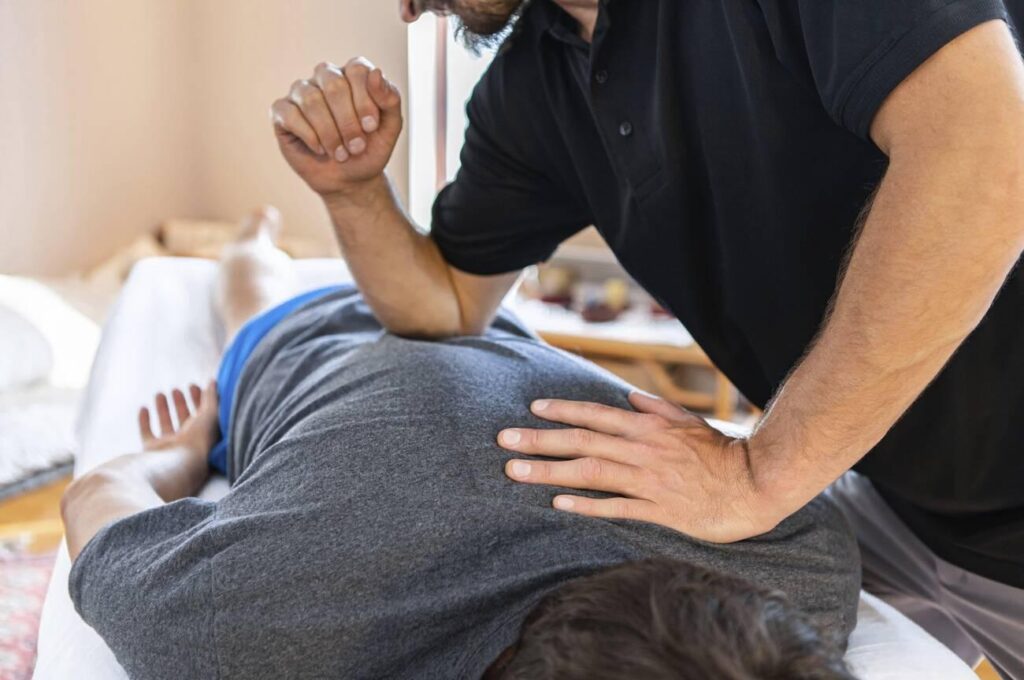
Timing Is Everything: Pre-Event, Post-Event, and Maintenance
A sports massage isn’t a one-size-fits-all treatment; it’s a strategic tool. The techniques used change dramatically based on when you get it.
Strategic Timing for Optimal Results
| Type of Massage | When to Get It | The Goal and Technique |
| Pre-Event Massage | 1–2 days before a major event (e.g., a marathon, big game, or powerlifting competition). | Goal: Stimulate the muscles, increase circulation, and optimize flexibility. Techniques are lighter and faster (more effleurage, gentle stretching) to avoid causing soreness or fatigue. |
| Post-Event Massage | Within 1-6 hours after an event. | Goal: Flush out lactic acid, calm the nervous system, and restore muscle length. Techniques are slightly deeper, focusing on rhythmic strokes to promote blood flow and waste removal. |
| Maintenance Massage | Regularly, every 2-4 weeks during heavy training periods. | Goal: Identify and treat developing issues (knots, trigger points, minor adhesions) before they become full-blown injuries. This involves the deepest, most focused work (friction, trigger point therapy). |
| Rehabilitation Massage | As part of a physical therapy plan after an injury. | Goal: Break down scar tissue, promote correct alignment, and restore range of motion in the affected area. Highly focused and customized techniques are used. |
The Dubai-Specific Challenge: Heat, Humidity, and Dehydration
In Dubai, your body works harder just to exist. The high heat and humidity force your body to sweat more, leading to potential dehydration and electrolyte imbalance.
- The Connection: Dehydrated muscles are less flexible, recover slower, and are much more prone to tearing and cramping.
- The Solution: A sports massage enhances blood flow, which in turn helps deliver hydrating fluids and nutrients to the thirsty muscles. However, you absolutely must follow up your session with copious amounts of water—preferably water with electrolytes—to maximize the flushing of toxins and recovery. Don’t skip the water!
Finding The Best Sports Massage in Dubai: Credentials Matter
Because “sports massage” is a specialized field, you can’t just walk into any salon and expect an expert. You need someone who is qualified and experienced, especially in a place with as many elite facilities as Dubai.
What to Look for in a Dubai Sports Massage Therapist
You’re paying for expertise, so don’t be afraid to ask questions! Here are the non-negotiables:
- DHA Licensing: In Dubai, all healthcare professionals, including qualified therapists, must be licensed by the Dubai Health Authority (DHA). This is your first level of assurance that they meet local professional standards.
- Specific Certification: Look for certifications like a Diploma in Sports Massage Therapy, a background in Physiotherapy, or specific training in techniques like Dry Needling, Cupping, or IASTM (Instrument-Assisted Soft Tissue Mobilization). A true specialist has credentials beyond a basic spa qualification.
- Experience with Your Sport: If you’re a CrossFit athlete, find a therapist who understands the biomechanics of Olympic lifts. If you’re a long-distance cyclist, find one who knows how to release the piriformis and Iliotibial Band (IT Band). Their experience should match your activity.
- The Consult is Key: The sign of a great sports therapist is that the session doesn’t start with oil. It starts with a consultation where they ask about your medical history, your training schedule, and your current pain points. They should perform an initial assessment to check your range of motion and posture before they even touch you.
- Reviews and Recommendations: In a city like Dubai, word of mouth is powerful. Check Google Reviews for clinics that are trusted by serious athletes, not just luxury seekers. Look for reviews that specifically mention injury recovery and pain relief, not just “relaxation.”
Location, Location, Recovery: Where to Find the Best Spots
The best spots for a sports massage tend to cluster around the major fitness hubs in Dubai:
- Al Quoz: Known for its hardcore, large-scale fitness and CrossFit gyms (like The Warehouse Gym), you’ll find specialized clinics nearby that cater specifically to high-intensity athletes.
- DIFC / Downtown: Caters to the business professionals who need quick, effective treatments to manage posture-related pain (the “desk warrior” issues) before hitting the gym or the airport.
- Jumeirah & Marina: Often features high-end wellness centers and physiotherapy clinics that combine sports massage with other recovery modalities like cryotherapy, contrast therapy, and infrared saunas.
The Session: What to Expect and How to Prepare
Walking into your first specialized sports massage session can be intimidating. Don’t worry, we’re here to demystify the process.
Preparing for Your Sports Massage Appointment
You can’t just show up off the street. Preparation is key to getting the most out of your expensive and valuable session:
- Stay Hydrated (The Day Before): Seriously, drink water. A hydrated muscle is much easier to work on than a dehydrated one. You’ll also minimize post-massage soreness.
- Arrive Early and Clean: Give yourself time to relax and fill out any intake forms. Take a quick shower before you go; it’s a sign of respect for the therapist and makes the session more comfortable for everyone.
- Wear the Right Gear: You’ll likely need to undress to your underwear, but wear comfortable, loose gym shorts and a sports bra (if applicable). This makes it easy for the therapist to maneuver you for stretches and range-of-motion checks.
- Don’t Mask the Pain: Avoid taking painkillers like Ibuprofen right before the massage. You need to be able to feel and communicate what’s happening in your body so the therapist knows exactly where the pressure needs to be applied, and more importantly, where it needs to stop.
Communication is Key: Talking to Your Therapist
A sports massage is a conversation between you and the therapist’s hands.
- Be Specific: Instead of saying, “My leg hurts,” say, “The pain is specifically in the upper part of my left hamstring, and I feel it when I try to run up hills.” The more detailed you are, the more effective the treatment.
- Use the 1-10 Pain Scale: The therapist will likely ask you to rate the pressure. Don’t be a hero. A good working pressure is usually around a 7 out of 10—it should feel intense and productive, but you shouldn’t be involuntarily flinching or holding your breath. If you hit an 8, 9, or 10, you’re probably tightening up against the pressure, which is counterproductive. Say “Please ease off a little.”
- Breathe: When the therapist hits a particularly deep spot, your natural reaction is to tense up and hold your breath. Don’t! Consciously take deep, slow breaths. This helps your muscles relax and allows the therapist to go deeper without causing unnecessary pain.
Deep Dive: Sports Massage vs. Deep Tissue Massage
This is the most common point of confusion. Many people think they are the same thing, but there’s a nuanced difference that’s especially important when you’re dealing with a recurring injury.
Understanding the Focus and Intent
While both use deep pressure, their overall purpose is different:
| Feature | Sports Massage | Deep Tissue Massage |
| Primary Intent | Goal-oriented: Performance enhancement, injury prevention, recovery from a specific physical activity. | General Tension Relief: Targeting chronic muscle pain, knots, and tightness from poor posture or long-term stress. |
| Typical Timing | Before/After an event, or during intense training cycles. | Anytime, usually for chronic pain management and relaxation. |
| Techniques Used | Includes specialized techniques: Friction, Active/Passive Stretching, Myofascial Release, Compression. | Primarily uses slow, sustained strokes and deep pressure to break up adhesions. |
| Area of Focus | Highly localized and specific to the muscles used in a sport (e.g., rotator cuff for a swimmer, calves for a hiker). | Broadly focuses on major areas of tension like the upper back, shoulders, and lower back. |
The Takeaway: If your primary issue is a specific injury or you are actively training for a competition, you want a Sports Massage. If your back has been tight for three years because of your office chair, a Deep Tissue massage might be sufficient—but a sports therapist can still often address chronic postural issues better because of their clinical training.
Living the Recovery Life: Post-Massage Care in Dubai
The session doesn’t end when the therapist leaves the room. What you do in the next 24-48 hours is crucial to locking in the benefits of the sports massage.
Your Three Post-Massage Must-Dos
- Hydrate, Hydrate, Hydrate: We’ve said it, but it needs repeating. Your body has just had a huge amount of metabolic waste flushed out of the tissue. You need water to help your kidneys move that waste out of your system. Herbal tea and water are great; fizzy drinks and excessive caffeine are not.
- Take it Easy: Don’t book a heavy lifting session right after. Think of your muscles as having just been thoroughly scrubbed and re-aligned. They are a bit vulnerable. A light walk or gentle stretching is fine, but intense activity should be avoided for at least 12–24 hours. This recovery time allows the muscle fibers to repair and re-set in their newly relaxed state.
- Use Contrast Therapy (If Available): Many top Dubai recovery centers offer Ice Baths or Contrast Therapy (switching between hot and cold). This is a fantastic partner to sports massage. The hot water (or sauna) helps circulation, and the cold water reduces any lingering inflammation or soreness. It’s the perfect way to finish the recovery process.
The Long Game: Integrating Sports Massage into Your Dubai Fitness Routine
If you want to maximize your fitness journey in Dubai—whether it’s scaling the Burj Khalifa stairs or just making it to the gym 5 times a week—you need to shift your mindset. Recovery is training.
Sports Massage Frequency: Finding Your Rhythm
There’s no magic number, but here’s a general guide:
- Extreme Athletes / Pre-Competition: Weekly or bi-weekly sessions. Your body is under maximum stress, and you need this kind of maintenance to prevent catastrophic breakdowns.
- Active Enthusiast (3-5 workouts/week): Monthly sessions for maintenance, plus an extra session if you feel a niggle developing or after a particularly grueling event (like a triathlon).
- The Desk Warrior (Mostly Sedentary): Monthly or every six weeks. Your goal is to reverse the damage caused by sitting and maintain good posture and flexibility.
The most important part? Listen to your body. If you feel tight, stiff, or have a knot that won’t go away with stretching, it’s time to book an appointment. Don’t wait until the pain is unbearable.
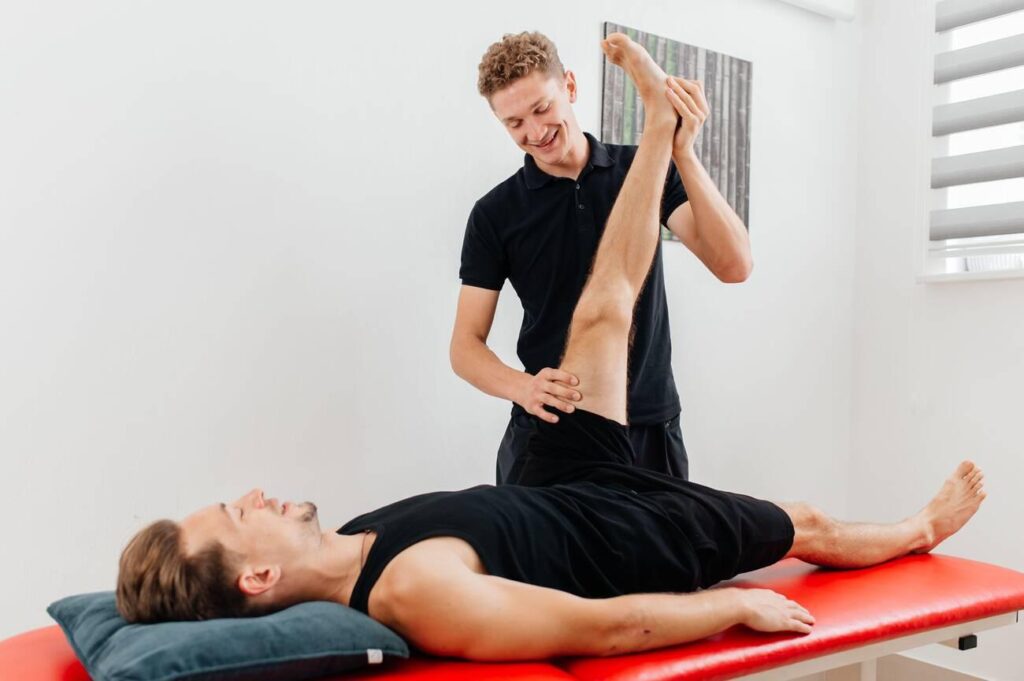
Final Thoughts: Your Next Move for Peak Performance in Dubai
Sports massage is more than just a therapy; it’s a commitment to longevity, performance, and well-being. In a demanding city like Dubai, where we push ourselves daily, it’s the non-negotiable step that ensures we can keep up the pace without breaking down.
You’ve learned the techniques, the benefits, and the importance of finding a certified therapist. Now, take that knowledge and make the booking. Your muscles will thank you!
Frequently Asked Questions (FAQ) About Sports Massage in Dubai
1. Is Sports Massage Painful?
A good sports massage can certainly be intense, and on a scale of 1-10, you should expect it to feel like a productive 6 or 7. It shouldn’t feel excruciatingly painful. The intensity is necessary to reach the deep layers of muscle and break down scar tissue. However, a professional therapist in Dubai will constantly check in with you, adjusting the pressure to ensure your muscles don’t tense up against the work, which would defeat the purpose.
2. How often should a regular gym-goer get a Sports Massage?
For the average Dubai resident who works out 3-4 times a week, a maintenance sports massage is generally recommended every 4 to 6 weeks. This schedule allows the therapist to proactively find and treat muscle imbalances, tightness, and developing knots before they turn into major injuries, keeping you consistent in your training and maximizing your performance.
3. Can I get a Sports Massage if I’m not an athlete?
Absolutely! The term “sports” is misleading. Sports massage is highly effective for anyone with physical issues, especially those experiencing chronic pain from daily life, like back and neck pain from long hours sitting at an office desk. The techniques used (like trigger point therapy and myofascial release) are simply the most effective way to treat specific, deep-seated muscular tension, regardless of the cause.
4. What’s the price range for a professional Sports Massage in Dubai?
The cost for a qualified sports massage in Dubai typically ranges from AED 350 to AED 650 for a 60-minute session. The price variation depends on the therapist’s qualifications (physiotherapist vs. certified masseuse), the clinic’s location (DIFC and high-end hotels are generally more expensive), and whether specialized tools or techniques (like cupping or dry needling) are included. Always prioritize qualifications over the lowest price.
5. Should I stretch before or after my Sports Massage session?
You should not do intense stretching right before the session, as it can confuse the therapist’s assessment. Post-massage, you should wait until the next day. The muscle needs time to settle after the deep work. The day after your sports massage, gentle, static stretching is a fantastic way to reinforce the increased flexibility and range of motion the therapist has just helped you achieve.